สายด่วนโทร : 064-161-7262
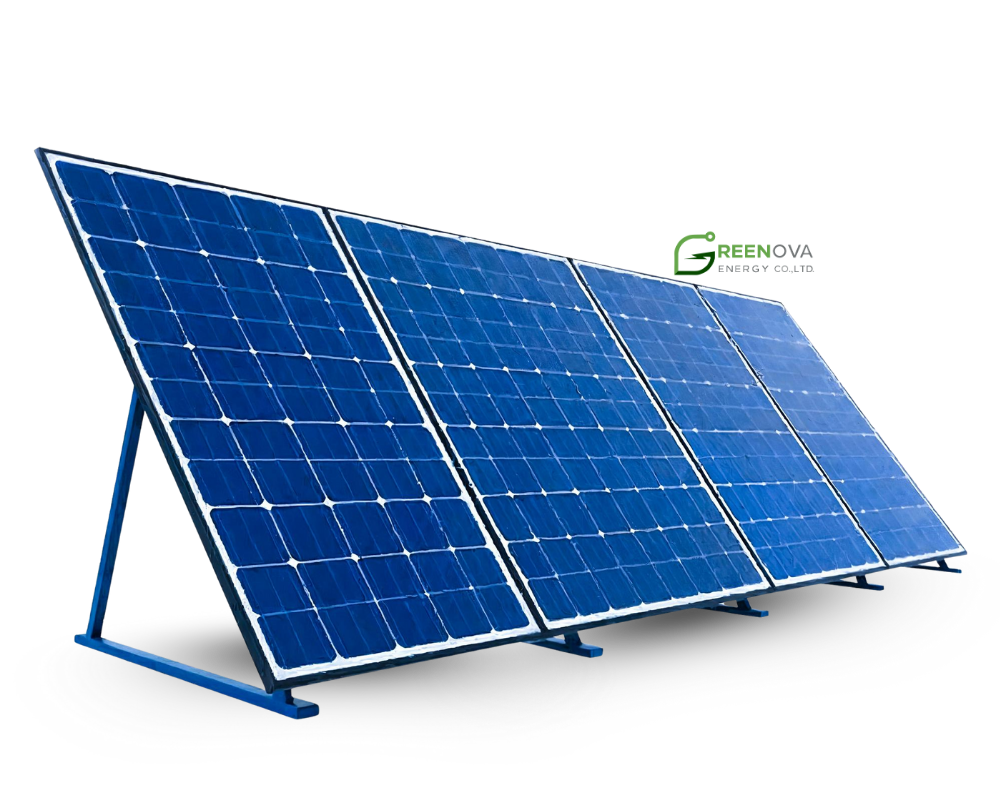
Sell Solar Panel Mono
The solar panels are backed by a 12 year product warranty and a
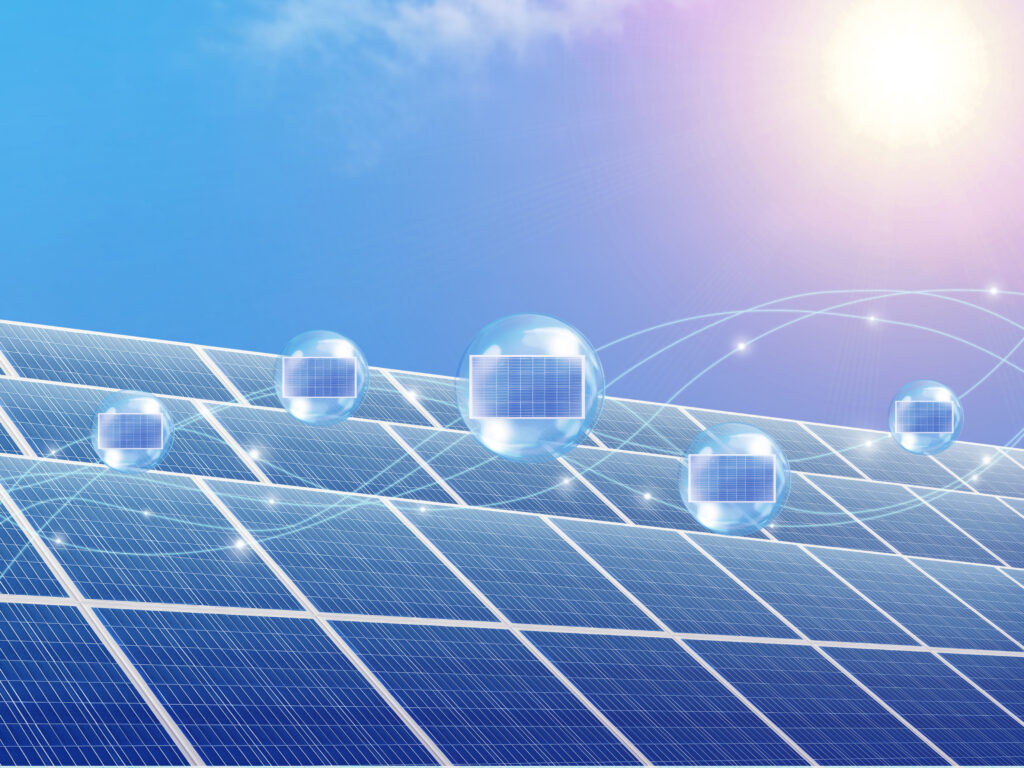
25 year performance warranty, delivering high-efficiency conversion of solar energy into electricity with zero emissions. Manufactured using high-purity silicon, they offer reliable, long-term performance while remaining environmentally friendly.
Choosing a solar panel brand is not just about the name it’s about long-term reliability. When selecting solar panels, the most important factors are the manufacturer’s credibility and the technology used, ensuring your system delivers maximum efficiency for 25 years or more.
Leading global solar panel brands, highly popular in Thailand.
| Brand | Country of Origin | Key Technology Features |
| LONGi Solar | China | Mono-PERC, N-Type TOPCon – High-efficiency solar panel technology |
| Jinko Solar | China | Leading global brand with top sales; N-Type high-efficiency technology |
| Trina Solar | China | Value-for-money brand with Half-Cut Cell technology |
| PPM Solar | Made in Thailand (MIT) | High-quality brand with N-Type and Half-Cut Cell technology |
| JA Solar | China | High efficiency, DeepBlue 4.0+ N-Type |
Things to consider when choosing solar panels
- Efficiency per Area: Choose panels with high wattage (e.g., 550W+) and modern technology (such as N-Type, TOPCon), which deliver higher electricity output per the same area.
- Warranty: High-quality solar panels typically offer power output guarantees lasting 25–30 years.
Recommendation: Consult a licensed installer (EPC) to calculate and select the most suitable solar panel brand according to your budget and electricity usage patterns.
- SOLAR PANAL TYPE
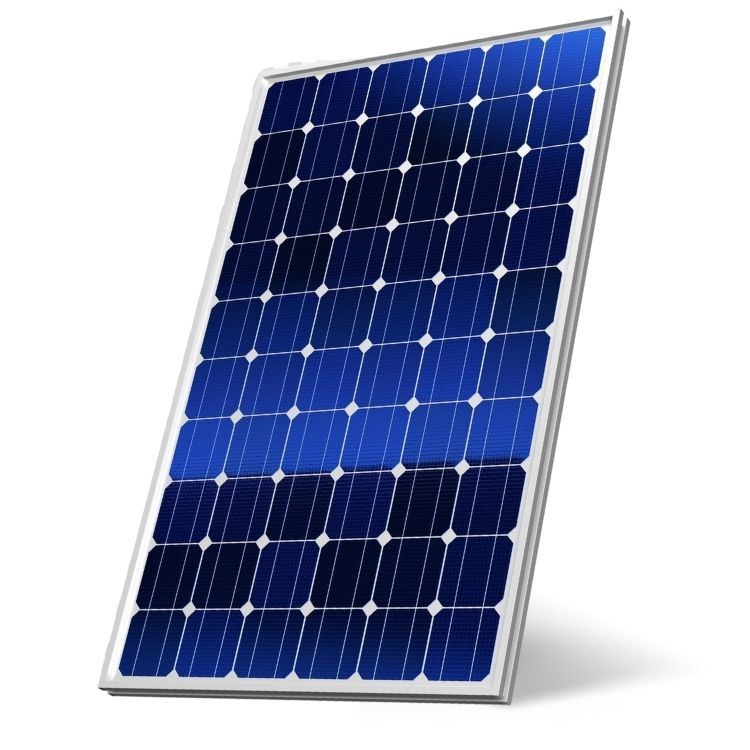
Monocrystalline (Mono-Si)
- Key Advantages
15–20% average efficiency with stable and consistent power generation.
Space-efficient design due to higher panel efficiency.
Long operational lifespan of 25+ years.
Superior low-light performance compared to polycrystalline panels.
- Disadvantages
Higher initial cost compared to other types of solar panels.
Sensitive to partial shading, which may cause inverter or circuit damage if not properly protected.
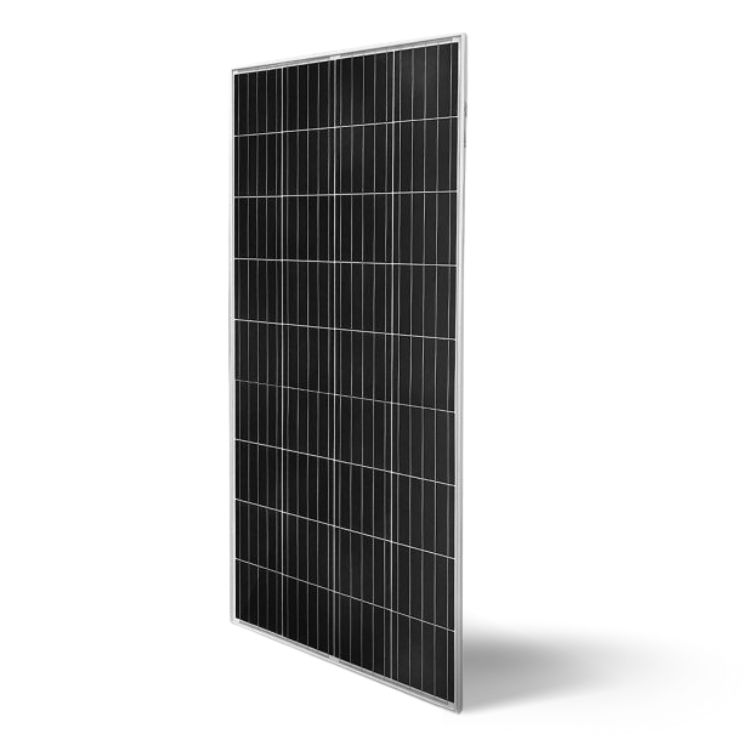
Polycrystalline (Poly-Si)
- Key Advantages
Lower cost compared to monocrystalline panels.
Slightly better electrical performance at high temperatures compared to monocrystalline panels.
- Disadvantages
Average efficiency of 13–16%, lower than monocrystalline panels.
Requires more installation space to achieve the same output as monocrystalline panels.
Panel appearance may be less visually uniform than monocrystalline panels, depending on personal preference.
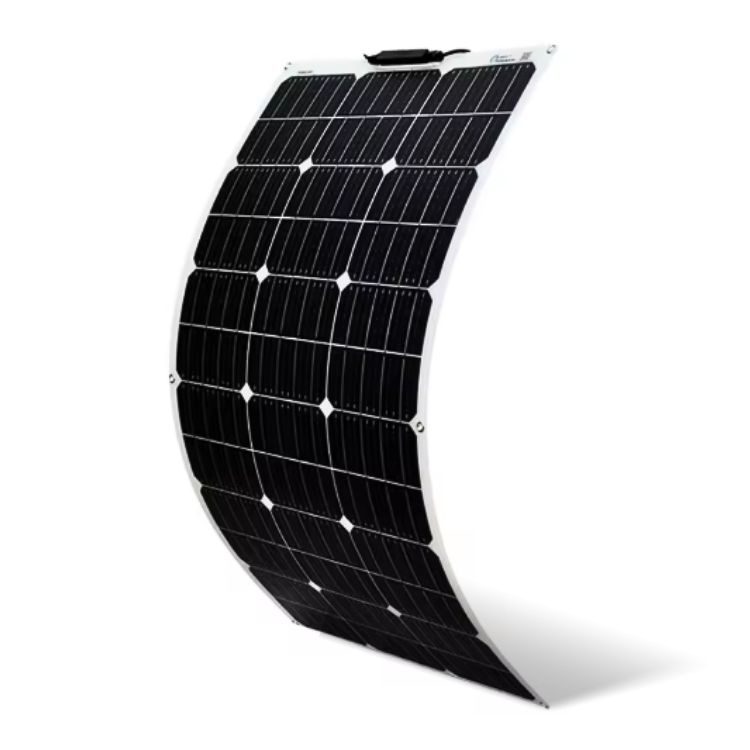
Thin - film
- Key Advantages
In very hot climates, thin-film solar panels are less affected by high temperatures.
Does not cause glare or reflection that could affect nearby traffic or surroundings.
Highly versatile and compatible with a wide range of applications and equipment.
- Disadvantages
Relatively low efficiency compared to other solar technologies.
Requires a relatively large installation area to achieve the same performance level.
Shorter lifespan compared to silicon-based solar panels.